

Live Chart Of NZD/CHF
1. Understanding the Basics of NZD/CHF Trading
When exploring the realm of forex trading, NZD/CHF stands out as a noteworthy currency pair. Known for its robust volatility, the New Zealand Dollar and Swiss Franc pair offers considerable opportunities for traders well-versed in its workings. Unlike other mainstream pairs, NZD/CHF is driven by unique economic indicators from two highly contrasting economies.
The NZD reflects the economy of New Zealand, influenced by factors such as agricultural exports, tourism, and commodity pricing, primarily dairy. On the other hand, the CHF’s value is moulded by Switzerland’s stable financial services sector and its formidable role as a global banking hub.
Monitoring global dairy prices is integral to NZD/CHF trading. As New Zealand’s largest export, shifts in global dairy prices dramatically impact the NZD. Likewise, the interest rates set by the Reserve Bank of New Zealand (RBNZ) and their monetary policies play crucial roles in determining the currency’s value.
Switzerland, despite its modest size, houses one of the world’s most powerful economies. Its strong financial sector and immensely stable political system significantly influence the CHF. Understanding Swiss neutrality policy is crucial for successful NZD/CHF trading as it affects the country’s economy and, therefore, its currency’s value.
Additionally, the Swiss National Bank (SNB) can occasionally intervene in the forex market directly. Such interventions can bring about substantial volatility to the CHF – a factor all NZD/CHF traders must be keenly aware of.
In essence, trading the NZD/CHF pair requires a deep understanding of two starkly different economies and the factors influencing them. Vigilance of commodity prices, interest rates, political stability, and possible central bank interventions form the backbone of lucrative NZD/CHF trading strategies. Of course, proper risk management and a sound trading plan are, as always, paramount.
1.1. Origins of NZD/CHF Currency Pair
Built on the thriving economies of New Zealand and Switzerland, the currency pair NZD/CHF is a multidimensional forex trading instrument. Often considered a commodity pair, owing to New Zealand’s prosperous agriculture and dairy industry, NZD acts as the base currency. Complementing it, CHF, the code for Swiss Franc, functions as the counter currency. Known for its stability, the Swiss Franc is heavily influenced by factors such as geopolitical tension and global economic health.
Unearthing the inception of NZD/CHF points towards the depreciating gold standards in the late 1960s. This occurred when many countries bid adieu to fixed currency rates, evolving towards a system of floating exchange rates. With New Zealand adopting its dollar (NZD) on July 10, 1967, and Switzerland maintaining its franc (CHF), the stage was set for the NZD/CHF pair.
Since then, the pair’s volatility has largely mirrored the dynamic interplay of their respective economic strengths. For instance, whenever dairy prices rise (New Zealand being the largest dairy products exporter), NZD appreciates. Alternatively, during times of economic uncertainty when investors flock towards safe haven currencies, the Swiss Franc strengthens. Thus, the NZD/CHF pair became an intriguing prospect for forex traders, navigating the waves of commodity pricing and global economic currents.
1.2. Key Influences on NZD/CHF Value
In the world of Forex trading, the understanding of key factors influencing the value of currency pairs is critical. The NZD/CHF, the New Zealand Dollar to Swiss Franc pair, is powerfully affected by a myriad of elements. Central in these, the economic indicators from both New Zealand and Switzerland play pivotal roles. Economic indicators such as GDP growth rates, unemployment rates, inflation rates, and interest rates, among others, are constantly impacting the NZD/CHF value.
Furthermore, monetary policies implemented by the Reserve Bank of New Zealand (RBNZ) and the Swiss National Bank (SNB) have a tremendous influence on our currency pair. For instance, if the RBNZ decides on a monetary policy that raises interest rates, demand for the NZD could rise leading to appreciation against the CHF.
Alongside this, geopolitical events, natural disasters, or major changes in the commodity markets (due to New Zealand’s status as an exporter of agricultural products) could result in significant shifts in the NZD/CHF value. Pertinent to remember here is the importance of the geopolitical stability.
Lastly, but definitely not least, market sentiment, resulting from traders’ overall disposition towards particular market conditions, is also instrumental. An optimistic outlook towards the economic performance of, say, New Zealand, will likely bolster the NZD against the CHF. Therefore, market sentiment should not be underestimated.
With a comprehensive understanding of how these facets come to bear on the NZD/CHF, traders stand a better chance of predicting market movements and making profitable decisions.
2. Strategies for Mastering NZD/CHF Trading
Acquiring comprehensive knowledge on economic indicators is crucial for decoding the dynamics of NZD/CHF Forex trading. Key indicators such as inflation rates, GDP, and unemployment rate in New Zealand and Switzerland can significantly impact the relative value of both currencies.
Deciphering how these indicators translate into everyday market movements is fundamentally imperative. For instance, an increase in New Zealand’s GDP relative to Switzerland’s can lead to a surge in NZD/CHF. Similarly, if inflation rates in New Zealand exceed those in Switzerland, the NZD might depreciate against the CHF.
Technical analysis is a revered tool for traders in the NZD/CHF marketplace. It involves using historic price patterns and market trends to predict future movements. Tools such as trend lines, support and resistance levels, and moving averages can greatly assist traders in making informed decisions.
Furthermore, understanding how the correlation between NZD/CHF and other currency pairs can influence NZD/CHF trading strategies is vital. As an example, if New Zealand’s biggest trade partners experience economic instability, it could unfavorably impact the NZD, thus affecting the NZD/CHF pair.
Following a risk management plan is also an important strategy for mastering NZD/CHF trading. Traders must have a clear understanding of their risk tolerance, set stop loss and take profit levels accordingly. Leveraging, though can amplify gains, can result in significant losses, and hence should be employed judiciously.
Finally, it is advisable to keep abreast with significant global events that can influence NZD/CHF trends. Factors such as political instability, changes in economic policies, or a global health crisis can induce significant volatility into the market, thereby affecting the NZD/CHF pair’s performance.
2.1. Drill into Microeconomic Indicators
Diving into the world of Microeconomic Indicators, one uncovers potential goldmines of insights for astute traders dealing with NZD/CHF. Grasping the concept of microeconomic indicators, such as inflation rate, interest rates, and GDP growth, provides an invincible compass that assists in navigating the eternally shifting sands of the financial markets. New Zealand’s economic indicators, for instance, offer crucial information about the economy’s performance, trends, and foresee potential turns, significantly impacting the New Zealand Dollar (NZD). Similarly, the tidings of Swiss microeconomic indicators can vigorously shake up the standing of the Swiss franc (CHF).
The value of the NZD/CHF currency pair can be swayed by a multitude of microeconomic elements. Inflation and interest rate differentials between the two countries, for example, can trigger a stirring of the pair’s valuation. Further, oscillations in the GDP growth rates between the two economies can also drastically influence the currency pair price. A spiralling economy in New Zealand, amidst a slumping Swiss market, can enhance the NZD/CHF pair’s value. On the other side of the coin, a vibrant Swiss economy with booming industries, juxtaposed to a frail New Zealand economy, can reverse such gains, effectively deflating the value of the said pair.
In the realm of trading NZD/CHF, sweeping an eye over the narrative woven by these microeconomic indicators and reacting to their ebbs and flows with deft strategy, can set the stage for potentially significant gains. Both the NZD and CHF have in-depth stores of potential that are susceptible to various internal and external stimuli, each serving as threads in a trader’s rich tapestry of choices.
Thus, trading NZD/CHF demands a rigorous understanding and continuous appraisal of a duet of pulsating economies, each bearing its tide of data points that echo through the ticker tape. Consequently, weaving these threads of microeconomic indicators into a coherent analytical framework falls squarely into the repertoire of a successful trader. The result is a nuanced dance between the Kiwi and the Swiss franc, playing out in seemingly minute fluctuations that can yield significant ripples for the diligent trader.
2.2. Understand the Power of Political Events
Trading currency pairs like NZD/CHF requires an understanding of both macroeconomic and geopolitical landscapes. An event of political significance in Switzerland or New Zealand can send ripples through the forex market. For instance, a change in government policy or a political scandal might trigger uncertainty, leading to currency volatility. This sensitivity reaffirms the necessity of a keen awareness of global political developments.
When trading, keep an eye on the political climate in both countries. Presidential elections, legislative changes, and international conflicts can all induce swift modifications in exchange rates. Navigating these turbulent waters necessitates a balanced combination of vigilance, real-time market analysis, and a willingness to adapt quickly.
Moreover, there’s the aspect of geopolitical tension -a potent catalyst for financial market disruption. In recent times, global conflicts and controversies have consequently resulted in significant NZD/CHF price deviation. So when devising a trading strategy, it is not enough to only consider economic indicators. A deep dive into prevailing political conditions gives traders an edge, crucial for success in the unpredictable arena of forex trading.
Knowledge of political events, therefore, offers the ability to anticipate market sentiments and movements. Reacting swiftly to these political undulations is a vital trading skill, which can lead to exceptional outcomes when trading pairs such as NZD/CHF. Trading intelligence, hence, should involve a comprehensive political understanding, a measure often underestimated yet highly decisive in shaping trading fortunes.
Thus, having a grasp on the power of political events is a difference-maker when trading NZD/CHF. That extra layer of insight can save a disastrous trade or uncover lucrative opportunities. Implementing this insight into regular trading plan not only diversifies risk profile but also creates an environment ripe for spotting and capitalizing on unique market trends.
2.3. Role of Chart Patterns in NZD/CHF Trading
In trading NZD/CHF, a significant role is played by chart patterns. Their function is to interpret market sentiments, providing clues to future price movements. Head and Shoulders, Double Tops and Bottoms, and Triangle Patterns are examples of chart patterns frequently used in forex trading.
Head and Shoulders signify purchase or resale points upon a trend reversal. Formed by three peaks, the middle one being the highest (Head), and the other two (Shoulders) at a relatively equal lower level, this pattern can indicate an impending bullish or bearish scenario.
Double Tops and Bottoms, meanwhile, denote a possible trend reversal with a vital reference to support and resistance levels. Consisting of two consecutive peaks (double top) or troughs (double bottom), these patterns signal a bearish or bullish market respectively when breached.
Lastly, Triangle Patterns – ascending, descending, and symmetrical – aid in forecasting potential breakout directions, which are invaluable in strategic trade planning. The boundary lines formed as prices undergo consolidation create these triangle patterns. A breakout either upwards or downwards becomes highly likely, guiding traders on appropriate buy or sell actions.
Undeniably, these chart patterns add another layer of analytical depth to trading NZD/CHF. They equip traders with the predictive ability necessary for executing successful forex trades. It is essential to note that while chart patterns provide insightful indicators, they are not foolproof and should be employed alongside other technical analysis tools and fundamentals for robust trading strategy.
3. Tools and Techniques for NZD/CHF Trading
There are several indispensable tools and techniques one can employ to effectively trade the NZD/CHF pair. A deep understanding of these tools and methodologies can help amplify your trading skills, resulting in more profitable outcomes.
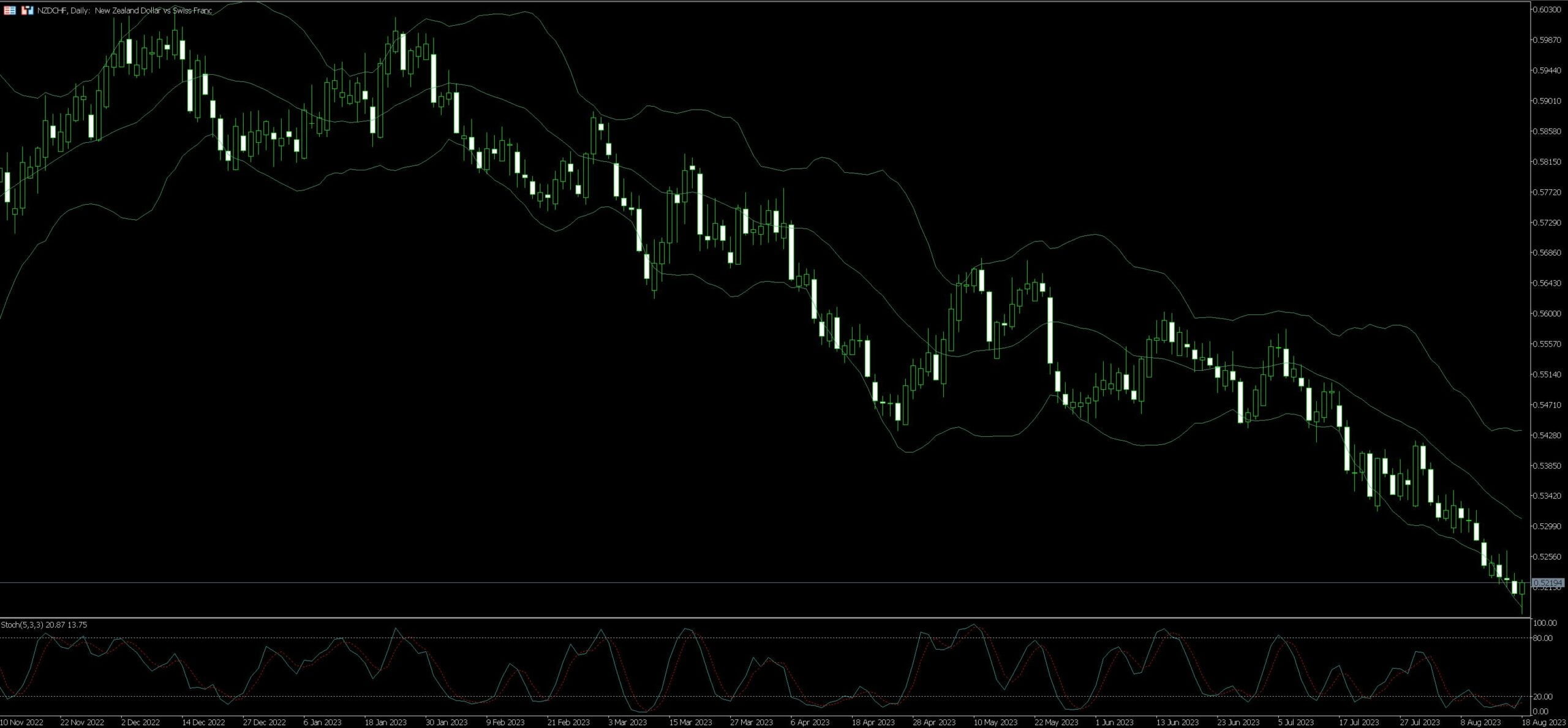
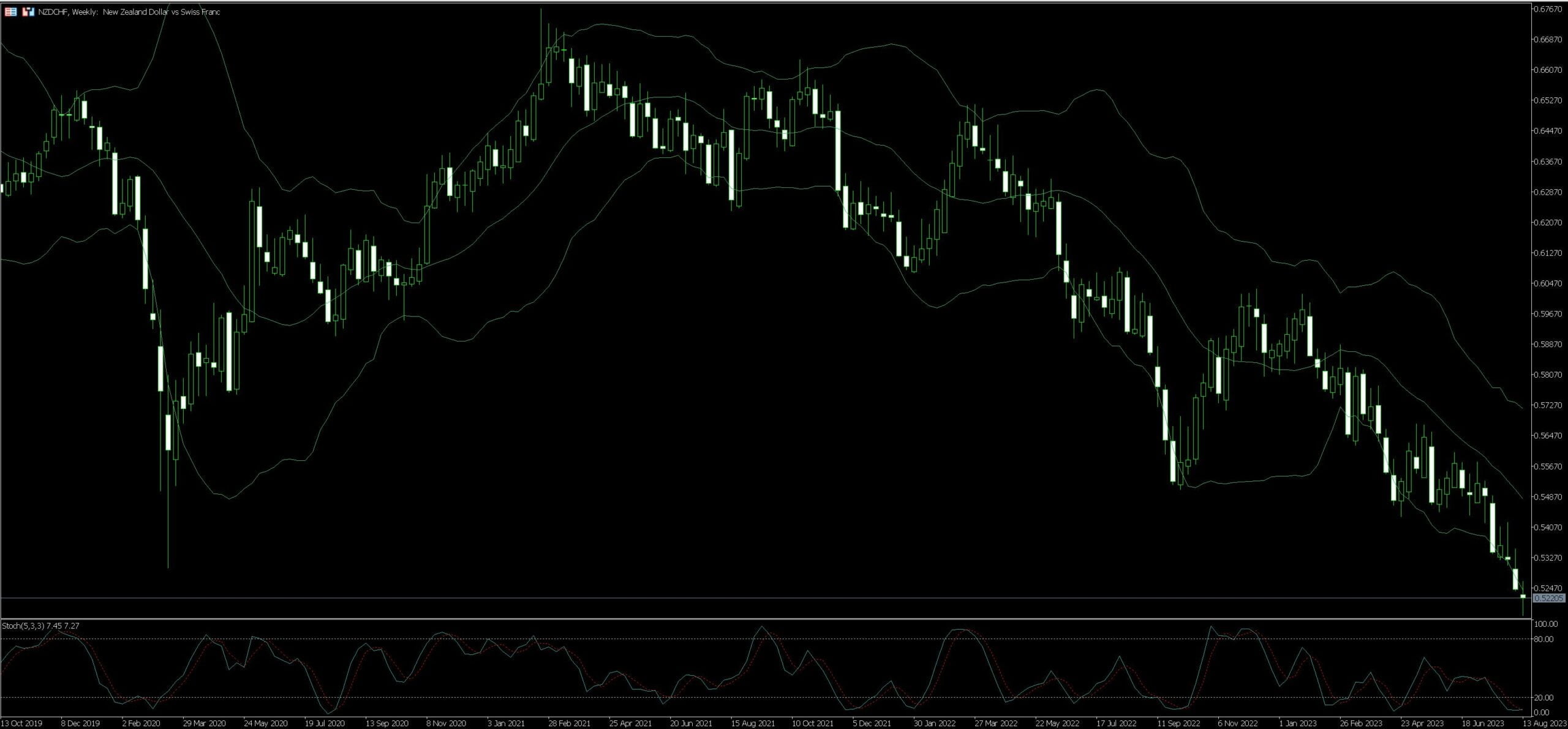
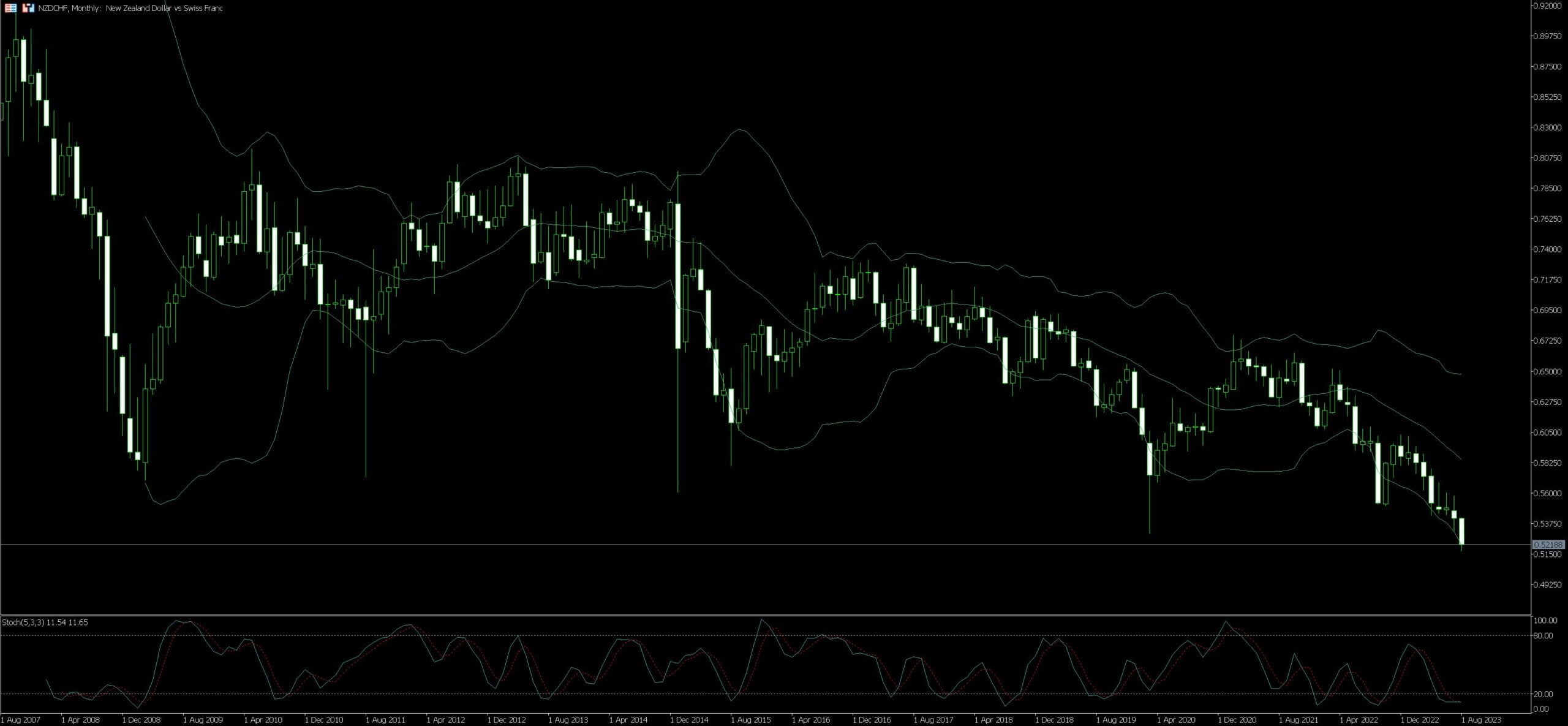
Technical Analysis stands as a crucial instrument in the toolkit of the successful NZD/CHF trader. Utilizing charts and indicators, this technique involves examining past market data to predict future price movements. Commonly used indicators in technical analysis include Moving Averages, Stochastic Oscillators, and Relative Strength Index (RSI).
Fundamental Analysis, on the other hand, emphasizes on macroeconomic factors. For NZD/CHF trading, it’s imperative to consider the economic performances of both New Zealand and Switzerland. Key economic parameters such as inflation rates, employment figures, GDP growth rates, and Central Bank policies greatly impact the value of these currencies.
Market Sentiment Analysis is another significant tool to implement. This method enables traders to gauge the overall ‘mood’ of the market, thereby identifying potential trading opportunities. This is often conducted through surveys or by analyzing the volume and price movement in the market.
Finally, a Risk Management Strategy is a necessity for every successful NZD/CHF trader. This involves setting stop losses and take profit points to protect your capital from significant market fluctuations. It’s worth noting that such techniques can potentially limit losses and lock in profits while trading the NZD/CHF pair.
Implementing these various tools and techniques can significantly boost success rates in NZD/CHF trading. Expertise in these facilitators forms the backbone of a successful trading career.
3.1. Technical Indicators for Trading
Moving Averages (MA) represent one of the cornerstone elements of technical analysis. By plotting the average price over a given period, traders gain insights into the NZD/CHF trend direction and strength. A rising MA indicates an uptrend, while a falling MA indicates a downtrend.
Relative Strength Index (RSI) is another handy tool for traders. This oscillator varies between 0 and 100 and provides insights into periods of overbuying or overselling. Within the context of NZD/CHF trading, values above 70 suggest overselling, signaling a potential price reversal, while values below 30 indicate overbuying.
Bollinger Bands represent another widely-appreciated indicator among NZD/CHF traders. Comprised of a simple MA (middle band) and two standard deviation lines (upper and lower bands), Bollinger Bands expand and contract with the NZD/CHF pair volatility. The price touching the upper band presents an overbought condition, while touching the lower band signals an oversold situation.
The MACD (Moving Average Convergence Divergence) is an oscillator that gauges the momentum and trend direction. This indicator provides NZD/CHF traders with signals for buying and selling through crossovers of the MACD line and the signal line.
Traders must learn to use these indicators as one tool among many in their arsenal.
3.2. Use of Trading Software
One of the most crucial steps in trading NZD/CHF involves the use of trading software. Deployed as an important tool by both novices and seasoned traders, it plays a pivotal role in making informed and astute trading decisions. Your analytical competence and market forecasting ability can be significantly ameliorated by fully understanding and leveraging the features of your chosen software.
Many trading software packages provide real-time market data, allowing traders to track the currency pair in real time. The NZD/CHF price charts, trading volume, and other analytical tools found within the software can provide an augmented and real-time understanding of market patterns. With this perspective, a trader can considerably enhance their market predictions, thereby augmenting the chances of profitable trading decisions.
Algorithmic trading features found in software can also be particularly beneficial. Some trading software will allow users to set the conditions based on their own trading strategy. When these conditions are met, the software will automatically execute trades. This can provide traders with an ever-vigilant tool that will continue to monitor the market and make trades even when the trader themselves are unavailable.
Additionally, trading software usually comes integrated with demo trading options. This practical feature allows traders to practice and sharpen their trading strategies without the risk of real capital. This platform is ideal for becoming comfortable with NZD/CHF trading dynamics and to trial new trading strategies. Practicing with demo options can potentially thwart costly errors when real capital is on the line.
One must remember that, while trading software can act as an invaluable ally to traders, it is not a guaranteed pathway to success. The market’s unpredictable nature remains, and even the most advanced software cannot predict every market outcome. It does, however, provide the tools that, with proper comprehension and application, have the potential to assist in more profitable trading decisions.
Moreover, the proficiency of trading software heavily relies on the internet connection. A slow or inconsistent internet connection can impede a trader’s ability to enter or exit trades at the most opportune moments. Thus, ensuring a robust and dependable internet connection is essential for optimal use of trading software.
Making use of trading software can significantly impact a trader’s approach and success in the NZD/CHF market. From providing real-time market data and automated trading options to offering demo trading platforms, it can overall bolster the trading process. Nonetheless, the individual trader’s due diligence, consistent learning, and adaption to market fluctuations will determine the true reward in trading the NZD/CHF pair.
3.3. Risk Management in NZD/CHF Trading
Risk management forms the backbone of any successful trading strategy, serving as the crucial lifejacket that safeguards traders from the turbulent waters of the market. In the context of NZD/CHF pair, it is especially imperative due to the intrinsic volatility associated with this exotic pair.
A central tenet of such risk management involves careful control over the trading capital, with a minimization of excessive leverage. By limiting exposure and employing a balanced risk-to-reward ratio, NZD/CHF traders can mitigate potential losses.
However, risk management does not solely revolve around financial factors. A crucial psychological aspect comes into play as emotions can lead to rash decisions, especially in the heat of trading. Following a clearly defined trading plan helps avert such pitfalls, with a disciplined, rational approach to decision-making being paramount in managing volatility.
Adapting to changing market conditions is a necessity. NZD/CHF traders need to keep abreast of broad influences such as shifts in monetary policies, economic indicators, and geopolitical stimuli that can lead to swift price changes. Keeping up-to-date with these developments enables more informed trading decisions and enhances risk management strategies.
Serving as the link between the New Zealand and Swiss economies, the NZD/CHF currency pair provides an interesting playing field for traders. By deploying sound risk management strategies, traders can navigate this field more efficiently and effectively while bolstering their profitability prospects.