

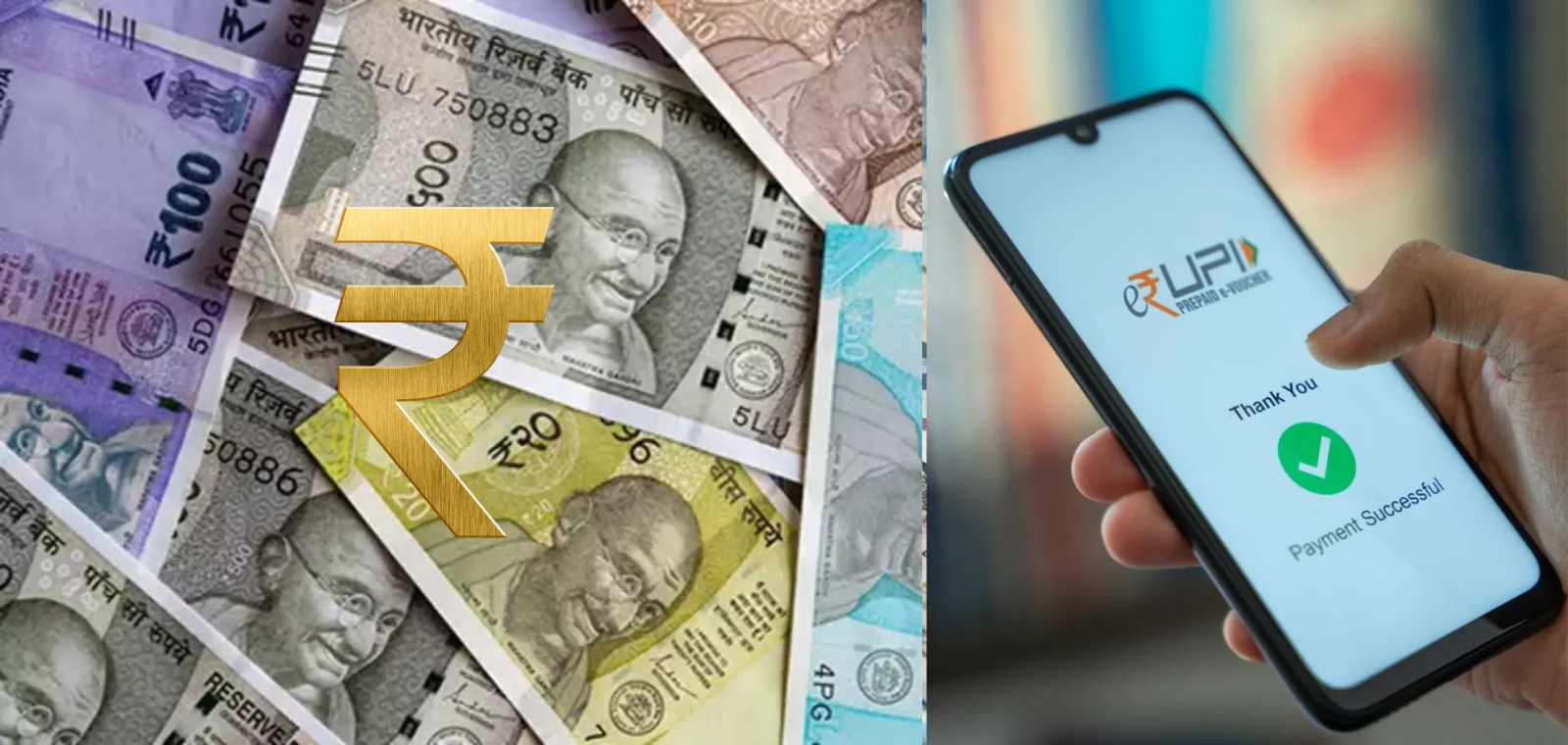
1, Landscape of Financial Scams in India
The financial landscape in India, much like the rest of the world, has been significantly marred by the prevalence of scams and fraudulent schemes. These scams have evolved over time, leveraging technology and exploiting human psychology to deceive individuals and institutions alike. The historical trajectory of financial scams in India reveals a shift from traditional con schemes to more sophisticated digital frauds, reflecting broader global trends in cybercrime and financial fraud.
1.1. Historical Perspective on the Rise of Financial Scams
Financial scams in India are not a new phenomenon. Over the years, the country has seen its share of high-profile scams, including stock market manipulations, banking frauds, and Ponzi schemes. However, the advent of the internet and digital payment systems has given rise to a new era of financial scams that are more sophisticated, harder to trace, and capable of affecting a larger number of people across geographical boundaries.
1.2. The Role of Technology in Evolving Scam Tactics
Technology has been a double-edged sword in the realm of financial transactions. On one hand, it has made banking and investing more accessible to the general population, with digital payments, online banking, and investment platforms bringing financial services to the fingertips of millions. On the other hand, it has also opened up new avenues for fraudsters to exploit. Cybercriminals use phishing emails, spoofed websites, and social engineering tactics to deceive individuals into divulging sensitive information or transferring money to fraudulent accounts.
1.3. Statistics Highlighting the Magnitude of the Issue
The Reserve Bank of India’s documentation of bank frauds exceeding 302.5 billion rupees in the fiscal year 2023 is just the tip of the iceberg. A study revealed a notable 69% of online fraud cases among Indian consumers in 2021, as reported in the Microsoft 2021 Global Tech Support Scam Research. Furthermore, the RBI’s data, while potentially excluding numerous undetected frauds, indicated a total value of scams amounting to 60,414 crore rupees in the fiscal year 2021–2022. These statistics highlight not only the financial impact of these scams but also the widespread nature of the problem, affecting individuals and businesses across the country.
2. Understanding Major Financial Scams In India
The financial scams landscape in India is diverse, with fraudsters employing a variety of tactics to deceive individuals and siphon off funds. This section delves into the specifics of different types of financial scams, highlighting their mechanisms, prevalence, and the measures individuals can take to protect themselves.
2.1 UPI Scams
Mechanisms of UPI Fraud: UPI scams often involve tricking users into approving transactions under the guise of receiving money. Fraudsters may send collect requests with misleading descriptions or use social engineering tactics to convince individuals to scan malicious QR codes, leading to unauthorized transactions.
Prevalence and Statistics: With over 95,000 reported cases in the fiscal year 2022–2023, UPI scams constitute a significant portion of digital payment frauds in India. The ease of UPI transactions, while beneficial for users, also makes it a lucrative target for scammers.
Real-life Examples: Instances include fraudsters posing as customer service agents from reputable companies, offering refunds or cashback through UPI collect requests that, when accepted, result in money being debited from the victim’s account.
2.2 Digital Banking and Credit Card Frauds
Common Tactics Used by Fraudsters: These include phishing attacks, where victims are lured into providing their banking details on fake websites, and skimming, where card details are stolen using devices attached to ATMs or POS machines.
Impact on Consumers: Victims of these scams can suffer significant financial losses and face a challenging recovery process. The breach of personal financial information also leads to a loss of privacy and security.
Preventative Measures: Regularly monitoring bank statements, using secure and encrypted websites for online transactions, and being wary of unsolicited communication asking for financial information are key steps in preventing these frauds.
2.3. Bank Frauds
Overview: Bank frauds encompass a wide range of deceptive practices, including loan frauds, cheque frauds, and unauthorized transactions. These scams can involve the use of forged documents or the impersonation of bank officials to deceive customers.
The Financial Toll on Banks and Customers: The RBI reported bank frauds exceeding 3,500 crore rupees in 2023, indicating the significant financial impact of these scams on both institutions and individuals.
2.4 QR Code Scams
The Rise of QR Code-related Cybercrime: Fraudsters create fake QR codes that, when scanned, facilitate unauthorized transactions. The convenience of QR codes for payments is exploited to commit fraud.
Case Studies from Bengaluru and Other Cities: Bengaluru has seen a notable increase in QR code scams, with a significant percentage of cybercrime incidents in the city attributed to these scams.
2.5 Investment Scams
Tactics Used to Lure Investors: Scammers promise unrealistic returns on investments in stocks, cryptocurrencies, or fictitious projects, exploiting the desire for high returns among investors.
The Aftermath of Investment Scams on Victims: Victims often lose substantial amounts of money, with little hope of recovery. The psychological impact of being defrauded can also be significant.
2.6 Part-time Job Scams
The Exploitation of Job Seekers: With rising unemployment, scammers advertise fake job opportunities that require an upfront payment or purchase, only to disappear once the payment is made.
Statistics and Preventive Advice: Awareness and skepticism towards too-good-to-be-true job offers are crucial in avoiding these scams.
2.7 Courier Scams
New Trends in Courier-related Fraud: Scammers contact victims claiming that illegal items have been sent in their names, demanding payment to avoid legal consequences.
Examples and Advice on How to Avoid Such Scams: Verifying any such claims directly with the courier company and not responding to unsolicited demands for payment can help prevent falling victim to these scams.
2.8 Malware and Tech Support Scams
The Role of Malware in Financial Fraud: Fraudsters convince victims to install malware under the guise of tech support, allowing them unauthorized access to financial information.
How Tech Support Scams Operate: Victims are tricked into believing their devices are compromised and are coerced into paying for unnecessary tech support services.
Understanding the diverse types of financial scams prevalent in India is the first step towards safeguarding oneself against these threats. By staying informed and exercising caution, individuals can significantly reduce their risk of falling victim to these deceptive practices.
3 Protecting Yourself Against Financial Frauds
In an era where financial scams are increasingly sophisticated and pervasive, protecting oneself from falling victim to these deceptive practices is paramount. This section provides a comprehensive guide on safeguarding personal and financial information, emphasizing the importance of vigilance, awareness, and proactive measures.
3.1. Educate Yourself
Knowledge is the first line of defense against financial scams. Stay informed about the latest scam tactics, such as phishing, vishing (voice phishing), smishing (SMS phishing), and various forms of online fraud. Government agencies, financial institutions, and consumer protection organizations regularly publish updates and alerts about new scams. Understanding the common signs of scams can help you recognize and avoid them.
3,2. Verify Identities
Before sharing any personal or financial information, verify the identity of the person or organization contacting you. Scammers often impersonate legitimate entities, such as banks, government agencies, or well-known companies, to gain your trust. If you receive an unsolicited request for information, contact the entity directly through verified channels to confirm the request’s legitimacy.
3.3. Use Strong Passwords
Create strong, unique passwords for each of your online accounts, especially those related to banking and financial services. Use a combination of letters (both uppercase and lowercase), numbers, and special characters. Avoid using easily guessable information, such as your name, birthdate, or common words. Consider using a reputable password manager to securely store and manage your passwords.
3.4. Enable Two-Factor Authentication (2FA)
Two-factor authentication adds an extra layer of security to your online accounts by requiring a second form of verification, such as a text message with a code or a notification on a mobile app, in addition to your password. Enable 2FA on all accounts that offer it, particularly for banking, email, and social media platforms.
3.5. Be Cautious with Emails and Messages
Be skeptical of unsolicited emails or messages, especially those that prompt you to click on links or download attachments. Phishing emails often mimic the appearance of legitimate communications but contain malicious links or files designed to steal your information. Always verify the sender’s email address, and when in doubt, contact the supposed sender directly through a known and trusted method.
3.6. Beware of Phone Calls
Scammers frequently use phone calls to impersonate officials or representatives from banks, tax departments, or other organizations. They may pressure you to provide personal information or make immediate payments. Remember, legitimate organizations will never ask for sensitive information or demand payments in an aggressive manner over the phone. Hang up and call the organization’s official number if you suspect a scam.
3.7. Protect Your Devices
Ensure your computer, smartphone, and other devices are protected with up-to-date security software, firewalls, and antivirus programs. Regularly update your operating system and applications to patch security vulnerabilities. Be cautious when downloading apps or software, especially from unknown sources.
3.8. Secure Wi-Fi Connections
Avoid conducting financial transactions or accessing sensitive information over public Wi-Fi networks, which may not be secure. If you need to use public Wi-Fi, consider using a virtual private network (VPN) to encrypt your internet connection and protect your data from potential interception.
3.9. Check Your Bank Statements
Regularly review your bank and credit card statements for any unauthorized transactions. Early detection of fraudulent activity can help prevent further losses and facilitate the recovery process. Report any suspicious transactions to your bank immediately.
3.10. Research Investment Opportunities
Exercise due diligence before investing in any opportunity, especially those promising high returns with low risk. Research the company or product, read reviews, and verify its legitimacy through regulatory bodies. Be wary of unsolicited investment offers and pressure to make quick decisions.
4. What to Do If You’re a Victim of Financial Fraud
Discovering that you’ve become a victim of financial fraud can be a distressing experience. However, taking swift and decisive action can help mitigate the damage and increase your chances of recovering lost funds. This section outlines the steps you should follow if you find yourself in such a situation, emphasizing the importance of prompt reporting, documentation, and seeking professional advice.
4.1. Contact Your Bank Immediately
- Notify your bank: As soon as you suspect fraudulent activity on your account or realize you’ve been scammed, contact your bank’s customer service immediately. Inform them about the incident and provide all relevant details.
- Block your accounts: Request the bank to freeze or block any compromised accounts or cards to prevent further unauthorized transactions. This can help stop the scammer from accessing more of your funds.
4.2. Lodge a Complaint with the National Cyber Crime Reporting Portal (NCRP)
- Visit the NCRP website: Go to the official National Cyber Crime Reporting Portal at https://www.cybercrime.gov.in/. This portal is a centralized mechanism for reporting cyber crimes in India.
- File a detailed complaint: Provide as much information as possible about the fraud, including how it occurred, any communication you had with the scammer, and the financial losses incurred. Include transaction IDs, dates, and any other evidence that could support your case.
4.3. Report to Local Law Enforcement
- Visit your local police station: While cyber crimes can be reported online, it’s also advisable to report the fraud to your local police station, especially if there’s a significant financial loss.
- File a First Information Report (FIR): Insist on filing an FIR, providing all the necessary details and evidence you have collected. An FIR is a crucial document for legal proceedings and may be required by your bank or insurance company.
4.4. Gather and Provide Documentation
- Collect evidence: Assemble all relevant documentation, including bank statements, emails, messages, and any other correspondence related to the fraud. This evidence will be vital for the investigation and recovery process.
- Share information with authorities: Provide all collected evidence to both the police and your bank. This will aid in their investigations and increase the chances of tracking down the scammer and recovering your funds.
4.5. Contact Other Relevant Authorities
- Regulatory bodies: If the fraud involves specific financial products or services, consider reporting it to the relevant regulatory authorities, such as the Securities and Exchange Board of India (SEBI) for investment scams or the Insurance Regulatory and Development Authority of India (IRDAI) for insurance frauds.
- Consumer protection organizations: These organizations can offer guidance and support to victims of financial scams, helping you navigate the recovery process.
4.6. Seek Legal Advice
- Consult a legal professional: If you’ve suffered significant financial losses, consulting with a lawyer who specializes in financial fraud can provide you with legal options for recovery and potentially holding the scammer accountable.
4.7. Stay Informed and Supportive
- Educate others: Share your experience with friends and family to raise awareness about the scam you encountered. Helping others stay informed can prevent them from becoming victims.
Becoming a victim of financial fraud can be a challenging experience, but taking these steps can help you navigate the situation more effectively. Remember, the sooner you act, the better your chances of mitigating the damage and potentially recovering your losses.
5. Future Trends and Predictions in Financial Scams
As we look towards the future, it’s evident that financial scams in India will continue to evolve, leveraging new technologies and exploiting emerging vulnerabilities. The dynamic nature of digital finance, coupled with the increasing sophistication of scammers, necessitates continuous vigilance and adaptation. Here are some trends and predictions for the future of financial scams in India:
5.1. Emergence of AI and Machine Learning in Scams
- Prediction: Scammers will increasingly use artificial intelligence (AI) and machine learning algorithms to craft more convincing phishing emails, create deepfake videos or audio, and automate scam operations to target a larger number of potential victims with personalized scams.
5.2. Exploitation of New Payment Platforms and Cryptocurrencies
- Trend: With the growing popularity of cryptocurrencies and digital wallets, scammers will devise new schemes targeting these platforms. This could include fake cryptocurrency investment platforms, wallet scams, and fraudulent initial coin offerings (ICOs).
5.3. Increased Use of Social Engineering Tactics
- Prediction: As technical defenses improve, scammers will rely more on social engineering tactics that exploit human psychology, such as pretexting, baiting, and tailgating. These methods trick individuals into voluntarily giving away sensitive information or money.
5.4. Rise in Mobile Scams
- Trend: With the increasing use of smartphones for financial transactions, mobile scams will become more prevalent. This could involve smishing (SMS phishing), malicious apps, and SIM swap frauds, targeting the vast user base of mobile banking and payment apps.
5.5. Cross-border Scams
- Prediction: Financial scams will increasingly cross national boundaries, with international syndicates targeting victims in India and vice versa. This global approach will complicate the legal and regulatory response to such scams.
5.6. Regulatory and Technological Countermeasures
- Trend: In response to the evolving threat landscape, expect to see stronger regulatory measures and the development of advanced technological solutions, such as blockchain for secure transactions, enhanced fraud detection systems using AI, and more robust cybersecurity protocols.
5.7. Public Awareness and Education
- Prediction: There will be a greater emphasis on public awareness campaigns and financial literacy programs to educate citizens about the risks of financial scams and the best practices for safeguarding their assets. This education will be crucial in empowering individuals to recognize and resist scams.
5.8. Collaboration Between Financial Institutions and Law Enforcement
- Trend: To combat the increasing sophistication of financial scams, there will be enhanced collaboration between financial institutions, cybersecurity firms, and law enforcement agencies. Sharing information and resources will be key to detecting and preventing scams.
6. The Role of Authorities and Regulatory Bodies
The fight against financial scams in India is not solely the responsibility of individuals; it requires a concerted effort from various authorities and regulatory bodies. These entities play pivotal roles in creating policies, enforcing laws, and educating the public to prevent and manage financial scams effectively.
6.1. Reserve Bank of India (RBI)
- Preventive Measures: The RBI regularly issues guidelines and advisories to banks and financial institutions, mandating stringent security measures and customer verification processes to prevent fraud.
- Public Awareness: Through campaigns and notifications, the RBI educates the public about safe banking practices and how to recognize and report scams.
- Regulatory Oversight: It monitors the operations of banks and financial entities to ensure compliance with security standards and to take action against those that fail to protect their customers from fraud.
6.2.. Securities and Exchange Board of India (SEBI)
- Investor Protection: SEBI has established regulations to protect investors from fraudulent investment schemes and to ensure fair market practices.
- Market Surveillance: It conducts surveillance of market activities to detect and prevent fraudulent trading practices that could harm investors.
- Awareness Programs: SEBI organizes investor education and awareness programs to inform the public about safe investment practices and the red flags of investment scams.
6.3. Ministry of Electronics and Information Technology (MeitY)
- Cybersecurity Initiatives: MeitY implements policies and programs to enhance the cybersecurity infrastructure of India, protecting against cyber scams and frauds.
- Digital Literacy: It promotes digital literacy, ensuring that citizens are equipped with the knowledge to navigate the digital world safely, including awareness of financial scams.
6.4. National Cyber Crime Reporting Portal
- Centralized Reporting: This portal provides a centralized platform for Indian citizens to report cyber crimes, including financial scams, facilitating a coordinated response.
- Data Analysis: The collected data helps in analyzing trends and patterns in cyber scams, aiding in the development of targeted prevention strategies.
6.5. Law Enforcement Agencies
- Investigation and Prosecution: Police and cybercrime units investigate reported financial scams, working to apprehend and prosecute the perpetrators.
- Collaboration: They collaborate with national and international agencies to tackle cross-border financial crimes, sharing intelligence and resources.
6.6. Consumer Protection Organizations
- Advocacy and Support: These organizations advocate for consumer rights, offering support and guidance to victims of financial scams.
- Education: They conduct awareness programs to educate the public about recognizing and avoiding scams.
The role of authorities and regulatory bodies in combating financial scams in India is multifaceted, involving prevention, enforcement, education, and collaboration. By staying ahead of emerging threats, enforcing strict regulations, and empowering citizens with knowledge, these entities play a crucial role in safeguarding the financial well-being of the nation.
The effectiveness of these efforts depends not only on the actions of these bodies but also on the active participation of the public in adhering to safe practices and reporting suspicious activities. Together, through a combination of regulatory oversight, technological advancements, and public awareness, India can continue to strengthen its defenses against financial scams.